Source Bus Body Air Vent for Coaches, Trucks, and Buses
Find and compare 30 bus body air vent options from Chinese manufacturers. Evaluate specifications like model numbers, materials, and warranty terms to select the right ventilation components for your fleet maintenance needs; compare the available evidence and request quotations based on your requirements.
Key considerations
Products List



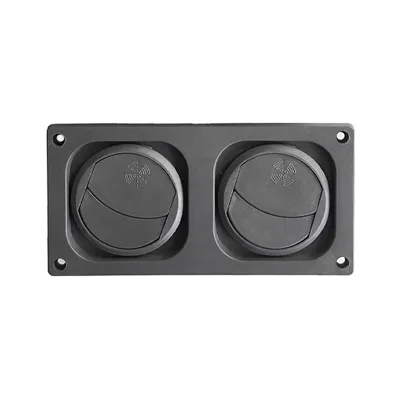
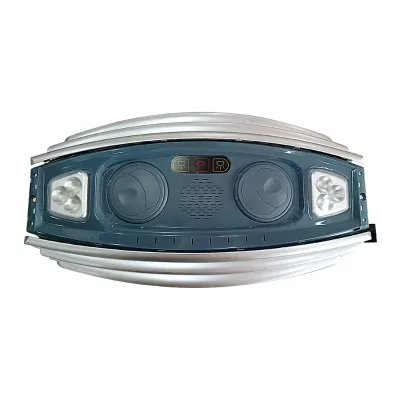
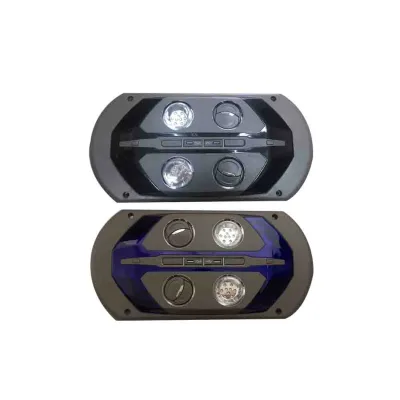
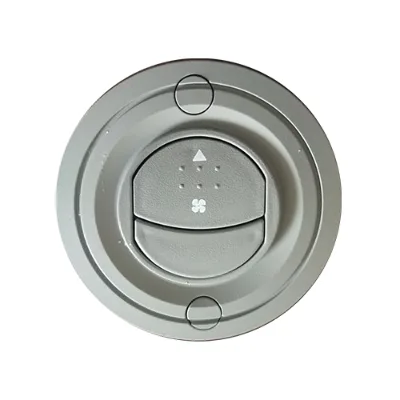
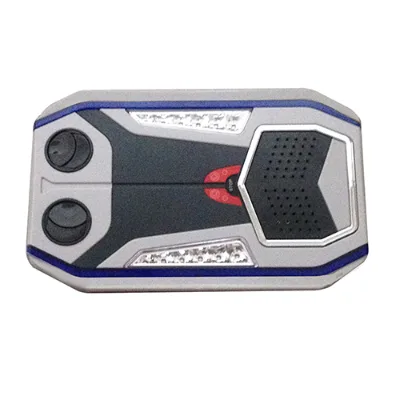
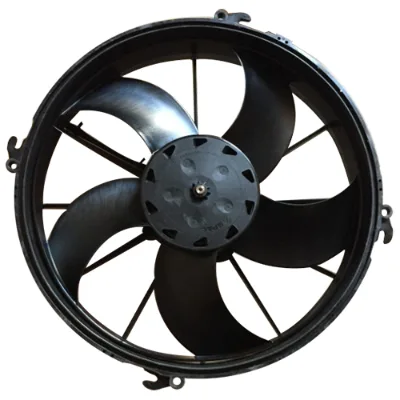


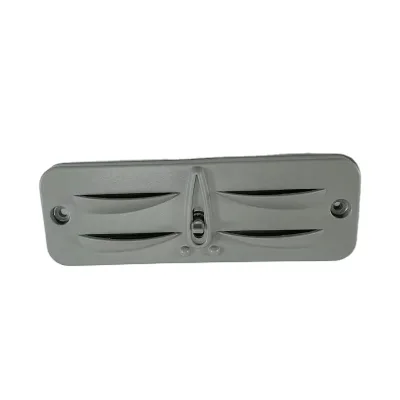
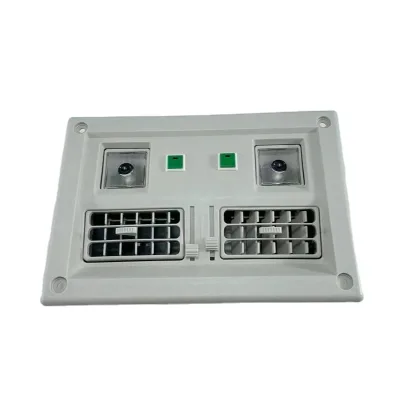
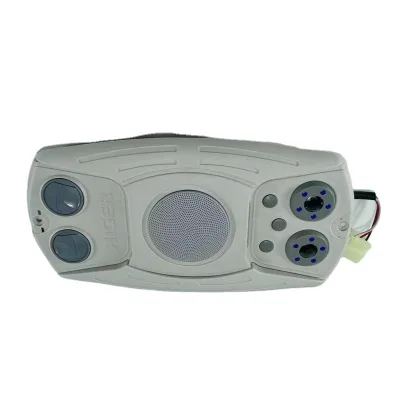
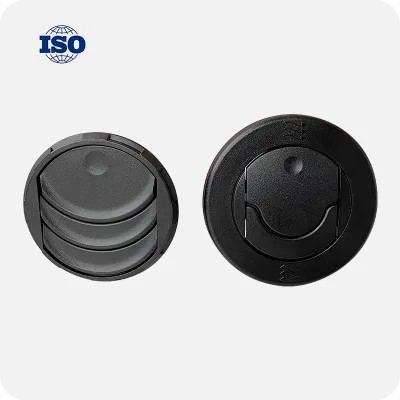
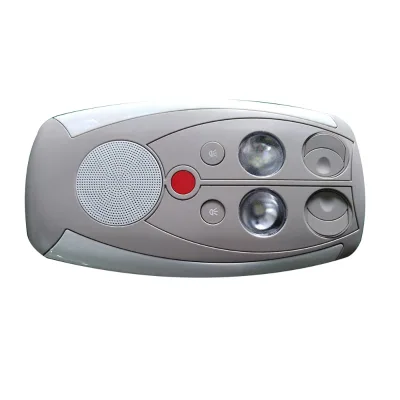

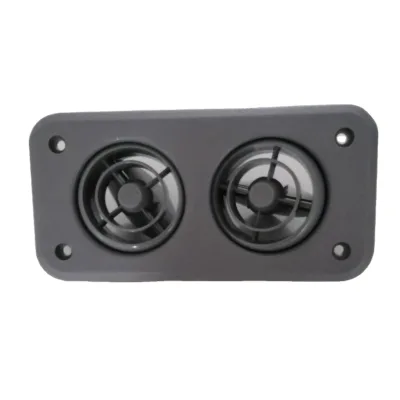
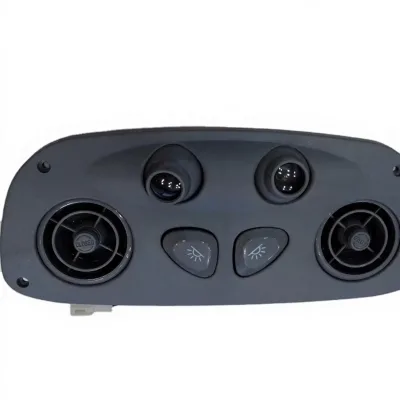
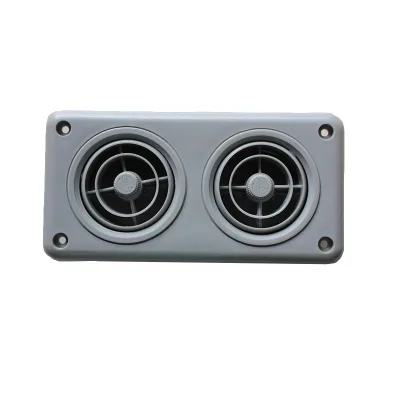
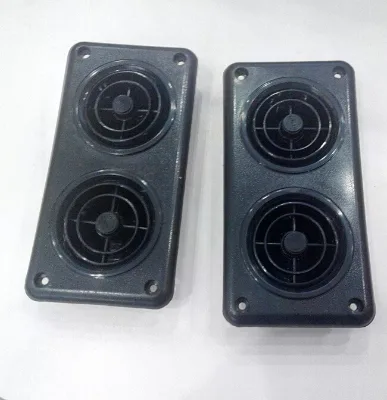


Comprehensive Sourcing Guide
Bus Body Air Vent Sourcing Guide
Procuring bus body air vents requires distinguishing between retrofit upgrades and direct replacement units, as the supply chain offers distinct product lines for each purpose. Buyers must verify whether the listed item is designed for a specific bus manufacturer or serves as a universal component for general fleet maintenance. The observed market data indicates a wide range of applications, from standard ventilation systems to specialized safety belt components, necessitating a clear definition of the intended use before initiating contact with suppliers.
The commercial landscape for these components shows significant variation in minimum order quantities and pricing structures, ranging from single-piece orders to bulk shipments of hundreds of units. Sourcing strategies should account for these fluctuations, as some suppliers offer flexible terms for small batches while others enforce strict volume requirements to maintain production efficiency. Understanding these commercial signals helps buyers align their inventory needs with supplier capabilities, ensuring that the procurement process remains cost-effective and logistically feasible for the specific project scale.
Product Scope and Observed Listing Signals
The product scope for bus body air vents encompasses a variety of configurations, including standard sizes and custom-designed units tailored for specific vehicle models. Listings frequently highlight attributes such as "New" condition and "Excellent" or "Good" quality ratings, which serve as initial indicators of product integrity. Buyers should scrutinize these descriptors carefully, recognizing that quality claims are observations rather than guaranteed performance metrics for every listed item, and must be validated through sample inspection or supplier documentation.
Listing signals also reveal diverse packaging and shipping parameters, with single package sizes often noted as 40x20x20 cm and weights around 10 kg per unit. These physical specifications are critical for calculating freight costs and determining storage requirements upon delivery. Additionally, the presence of accessories in some listings suggests that certain vendors provide complete installation kits, which can streamline the retrofitting process and reduce the need for sourcing separate components from multiple sources.
Technical Specifications to Verify
Technical verification begins with confirming the model number and compatibility, as the market lists specific identifiers like HC-B-12110 and HC-B-12585 alongside generic designations. Buyers must ensure that the selected vent matches the exact dimensions and mounting points of the target bus model, particularly when dealing with retrofit projects where fitment tolerances are tight. The availability of customization options allows for tailored solutions, but this requires precise communication of technical requirements to avoid mismatches in the final installation.
Material composition and electrical specifications are equally vital, with plastic being a common material for vent housings and some components requiring a 24 V voltage rating. These technical details influence the durability and functionality of the air vent under various operating conditions. Procurement teams should request detailed material data sheets to confirm that the plastic used meets the necessary thermal and mechanical standards for automotive applications, ensuring long-term reliability in the demanding environment of a bus body.
Compliance and Safety Documentation
Compliance verification is essential for bus components, as the industry often mandates adherence to international standards such as ISO certifications. While some listings explicitly mention ISO certification, buyers must treat this as a claim requiring validation through official documentation rather than an automatic guarantee. The presence of E-mark certification for related safety components like bus belts further underscores the importance of verifying that all parts meet the regulatory requirements of the destination market.
Safety documentation should also cover warranty terms, which are commonly listed as 12 months or 1 year in the observed data. These warranties provide a baseline for recourse in case of premature failure, but the specific terms and conditions must be clearly understood before purchase. Buyers should ensure that the warranty covers both the product itself and the installation process, if applicable, to mitigate risks associated with retrofitting or upgrading existing bus fleets with new ventilation systems.
Cost Drivers and Commercial Terms
Cost drivers for bus body air vents include the complexity of customization, the volume of the order, and the specific payment terms agreed upon with the supplier. The observed payment structure often involves a 30% deposit followed by a 70% balance via T/T, which is a standard practice in international trade but requires careful cash flow management. Buyers should negotiate these terms to align with their financial cycles, ensuring that the deposit does not strain working capital while securing the production slot with the manufacturer.
Shipping and delivery timelines are significant factors in the total cost of ownership, with lead times ranging from 7 to 45 days depending on the order size and production schedule. The availability of multiple shipping methods, including express, air, and sea freight, offers flexibility but also introduces variability in cost and speed. Procurement teams must balance the urgency of the project against the budget constraints, selecting the most appropriate shipping method to meet delivery deadlines without incurring unnecessary logistics expenses.
Supplier Qualification and Quality Control
Supplier qualification involves assessing the origin and production capabilities of the vendor, with many listings indicating origins in Zhejiang, China, or Changzhou, Jiangsu. These regions are known for their automotive parts manufacturing ecosystems, but buyers must verify the specific factory's capacity to meet quality standards and delivery schedules. The presence of a "Standard" production standard in listings suggests a baseline level of quality, yet independent audits or third-party inspections may be necessary to confirm consistent manufacturing practices.
Quality control measures should extend beyond the initial product inspection to include ongoing monitoring of production batches. Buyers should establish clear acceptance criteria based on the observed attributes, such as the "Excellent" quality rating and the inclusion of necessary accessories. Implementing a robust quality assurance protocol ensures that the delivered air vents meet the specified requirements, reducing the risk of defects and minimizing the potential for costly replacements or delays in the bus fleet maintenance schedule.
Long-Term Procurement Checks
Long-term procurement checks focus on the sustainability of the supply relationship and the ability of the supplier to support future needs. Buyers should evaluate the supplier's track record for consistency in quality and delivery, as well as their responsiveness to technical inquiries and after-sales support. The availability of customization services indicates a supplier's flexibility, which is crucial for adapting to changing fleet requirements or upgrading older bus models with modern ventilation solutions.
Regular performance reviews are necessary to ensure that the supplier continues to meet the evolving standards of the bus industry. This includes monitoring changes in certification status, such as ISO compliance, and verifying that the warranty terms remain favorable over time. By maintaining a proactive approach to supplier management, buyers can secure a reliable supply chain for bus body air vents, ensuring that their fleet remains operational and compliant with safety regulations for years to come.
FAQs
What is the warranty period for bus air vents?
The warranty period is typically 12 months or 1 year for these bus air vent products. This coverage ensures quality assurance for automotive parts and truck components. Buyers should verify specific terms with the supplier, as conditions may vary based on the model number and customization options selected for the retrofit or upgrade application.
Can bus air vents be customized for specific models?
Yes, customization is available for many bus air vent models to fit specific vehicle requirements. Some items are listed as non-customized, while others allow for tailored specifications. Buyers should check the product details for each model number, such as HC-B series, to determine if the item supports custom modifications for their particular bus or truck application.
What is the minimum order quantity for bus air vents?
The minimum order quantity varies, with some listings requiring just one piece while others specify ten pieces. This range allows flexibility for both sample testing and bulk procurement. Buyers should confirm the exact MOQ with the supplier, as it depends on the specific model, packaging configuration, and whether the item is a standard or customized part for automotive use.
How long does delivery take for bus air vents?
Delivery time typically ranges from 7 to 45 days depending on the order size and production schedule. Some suppliers indicate a production time of around 20 days. The exact lead time will depend on the specific model, customization needs, and shipping method chosen, whether it is express, air, or sea freight from the origin location.
What certifications are available for bus air vent products?
Certifications such as ISO and E-mark are available for certain bus air vent products. These certifications indicate compliance with specific quality and safety standards for automotive parts. Buyers should verify which certifications apply to their specific model number, as not all items may carry the same documentation, especially when sourcing from different manufacturers or origins.
What is the payment term for bus air vent orders?
Common payment terms include a 30% deposit and 70% balance via T/T. Some suppliers may accept TT payments directly. Buyers should confirm the specific payment terms with the supplier, as they can vary based on the order value, relationship history, and agreed-upon price terms such as EXW, FOB, or CIF for the shipment.